
Sex/Ed
Sex/Ed/History
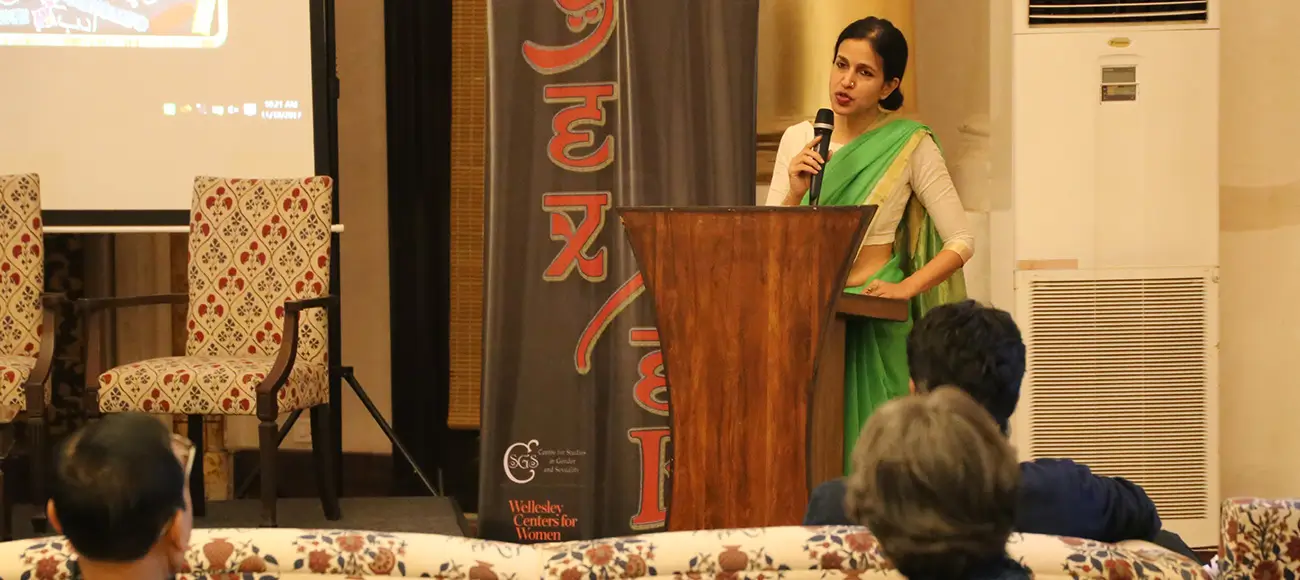
Speakers: Harleen Singh (Associate Professor, Women’s, Gender, and Sexuality Studies Program, Brandeis University); Shohini Ghosh (Professor, AJK MCRC, Jamia Millia Islamia); Dr. Syeda Saiyidain Hameed (Social and Women’s Rights Activist and Writer).
This panel will lay out the relationship among sex, education, history, art and law that frames our contemporary responses to sexuality. Such a framing will take on board examples from mythology, literature, temple architecture in India, as well as a discussion on the historical relationship of sex to laws regulating desire in educational institutions as well as public spaces.
Can Sex be Educated in a Culture of Fear, Victimhood, and Trauma?
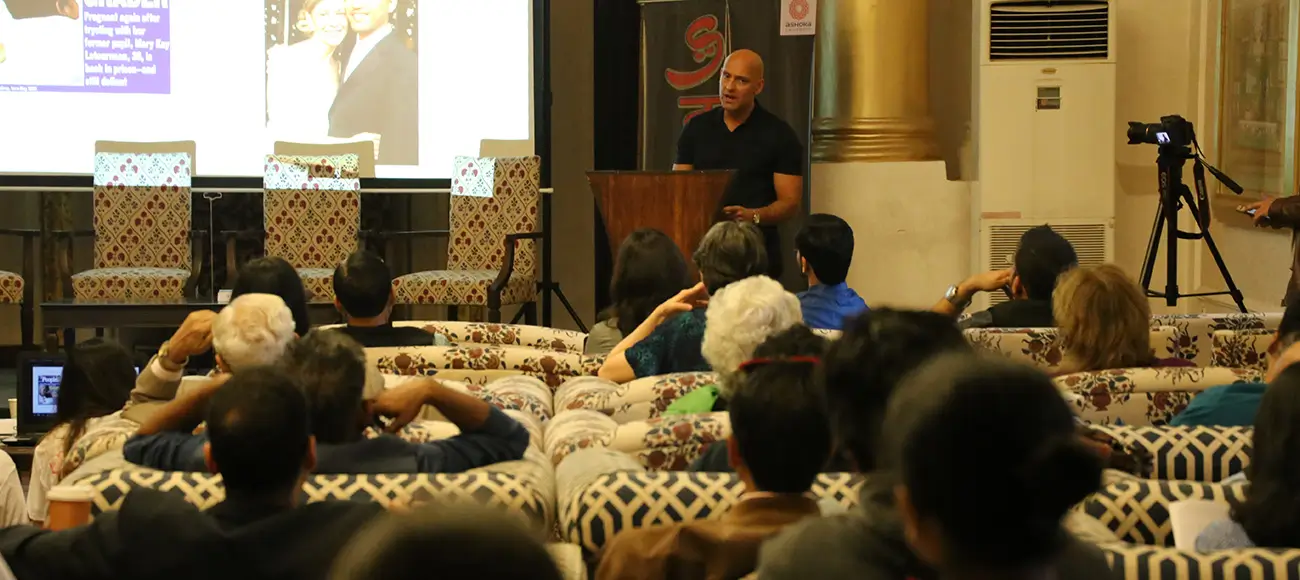
Keynote Address: Steven Angelides (La Trobe University, Australia)
These seismic historical shifts, the paper argues, are problematic developments that are often obstructive of efforts at sex education in and out of the classroom, just as they are obstructive of efforts to promote capacities for robust sexual agency and prepare young people and adults for responsible and fulfilling sexual relationships and lives. The paper concludes with a brief discussion of the influence of the politics of sexual power on recent university policies surrounding faculty-student relationships and the introduction of working with children police checks.
Sex/Ed/Harassment
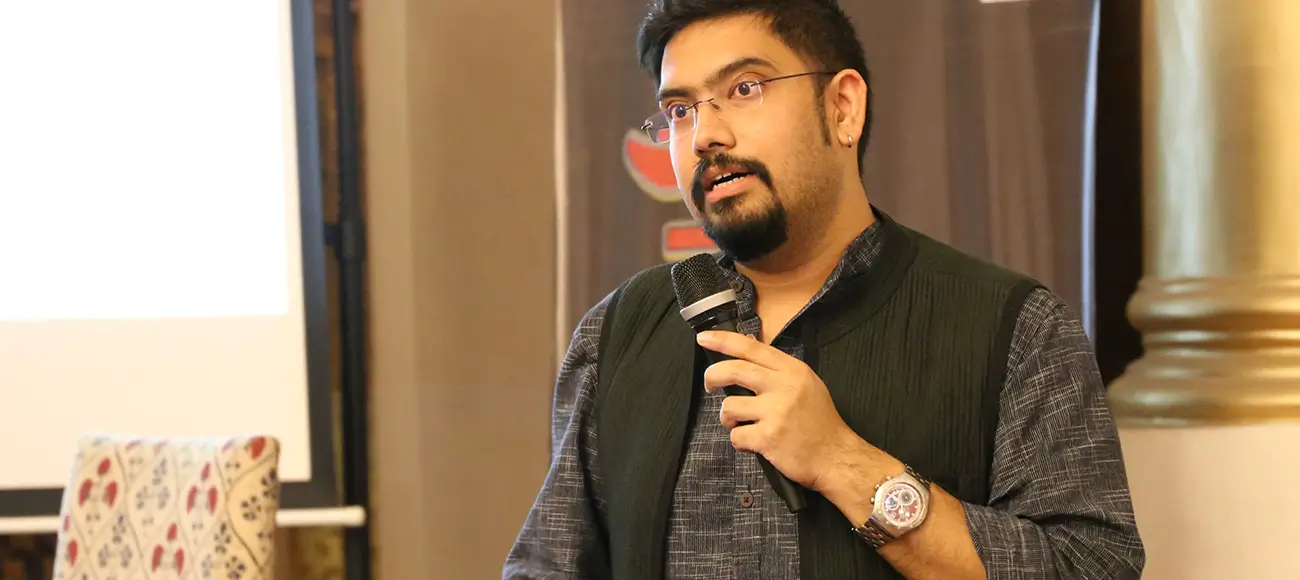
Speakers: Oishik Sircar (Assistant Professor, Jindal Global Law School), Ayesha Mago (Specialist – Law, Gender and Discrimination)
This panel will be dedicated to the issue of sexual harassment, particularly in the context of university spaces, and the need for encouraging sex-positive conversations on pleasure, fantasies and consent. The discussion will be preceded by the launch of a set of short training films on sexual harassment that were developed by the CSGS last year in an effort to provide a creative, new resource developed in the Indian context with which to discuss the issue of sexual harassment.
Sex/Ed/Classroom
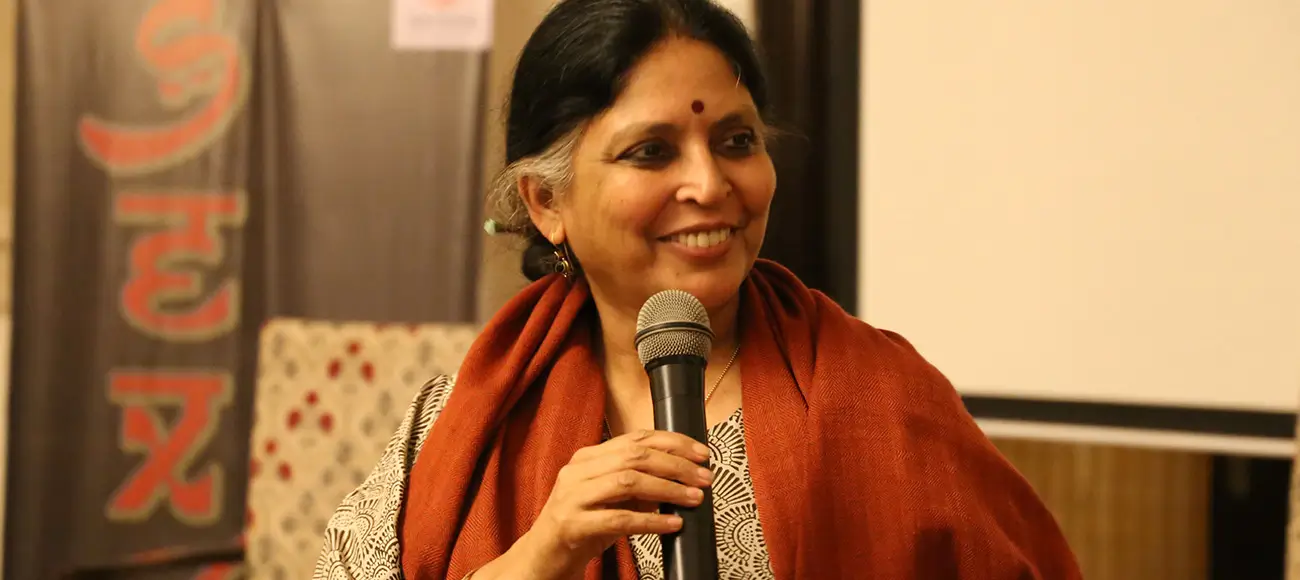
Speakers: Emmy Howe (Co-Director, SEED Project, Wellesley Centers for Women, Wellesley College), Nan Stein (Senior Research Scientist, Wellesley Centers for Women, Wellesley College).
This session will feature research and action based presentations that will illuminate how adults and children together navigate the ambiguities of sex, gender, and sexual identities in the developmental space of the classroom. These conversations will emerge in relation to following two perspectives: First, from the perspective of elementary school studentsʼ understandings about LGBTQ identities and families; Second, from the perspective of reducing sexual harassment and sexual violence in middle and high schools.
“It’s More than Black and White, and Right or Wrong”: A Reproductive Justice Approach to Understanding Power’s Influence on Black Women’s Sexual Education
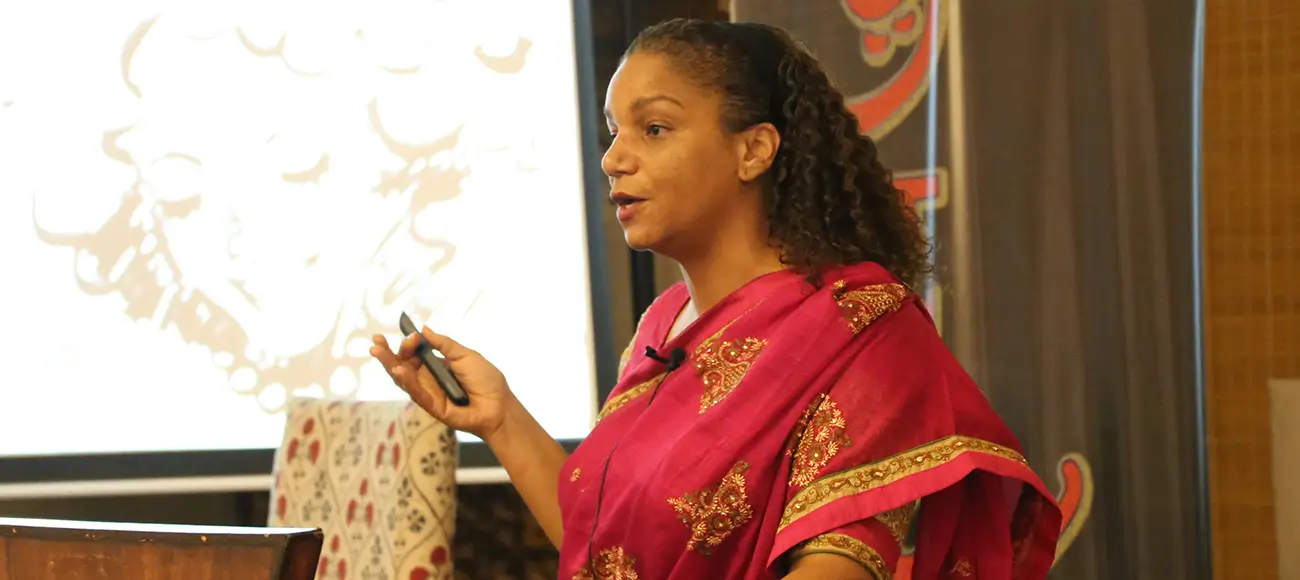
Keynote Address: Dionne P. Stephens (Florida International University)
Sex/Ed/Work
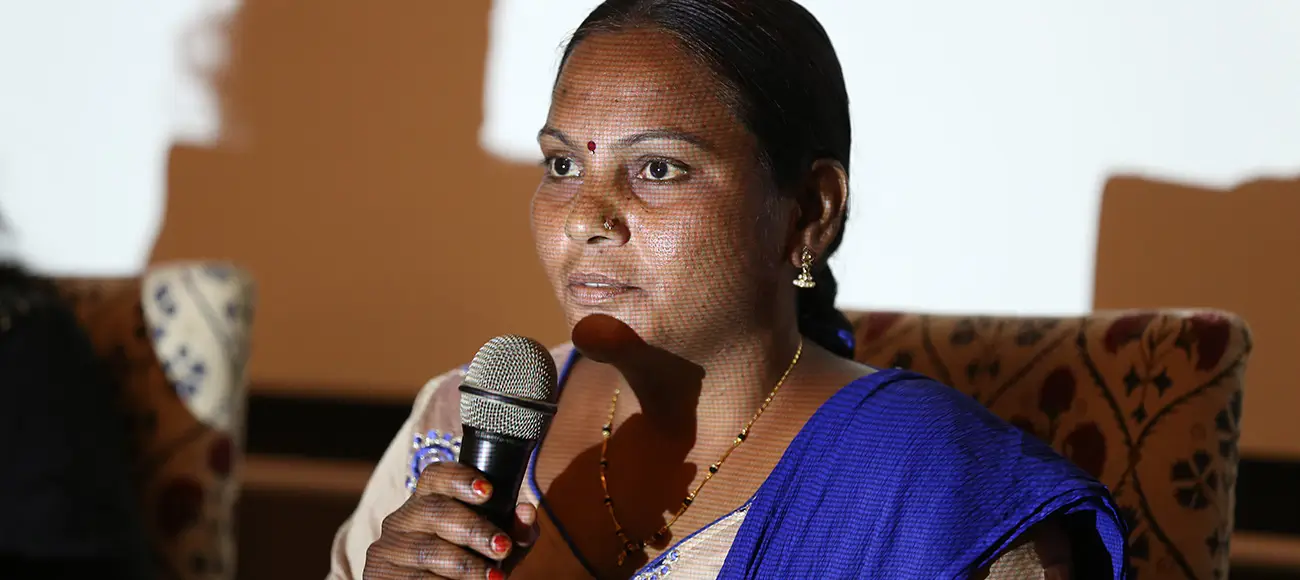
Speakers: Bittu (Associate Professor of Psychology and Biology, Ashoka University), Grace Banu (Dalit and Transgender Rights Activist), Meena Saraswathi Seshu (General Secretary, SANGRAM), Sangita Ramu Manoji (Outreach Worker, VAMP), Octavio R. Gonzalez (Assistant Professor of English, Wellesley College)
This panel will put the issues of sex and sexuality in conjunction with work and human rights discourse. The sex and gender of a person have determined the nature of the work they are allowed or expected to do. At the same time, sex is supposed to be separate from work, and sex-work is considered to be taboo, with no constitutional safeguards in place to protect the rights of sex-workers. How do we understand sex-work within a human rights framework? The discussion on this panel will focus also on the issues faced by transgender people at workplaces.
Sex/Ed/Popular Culture
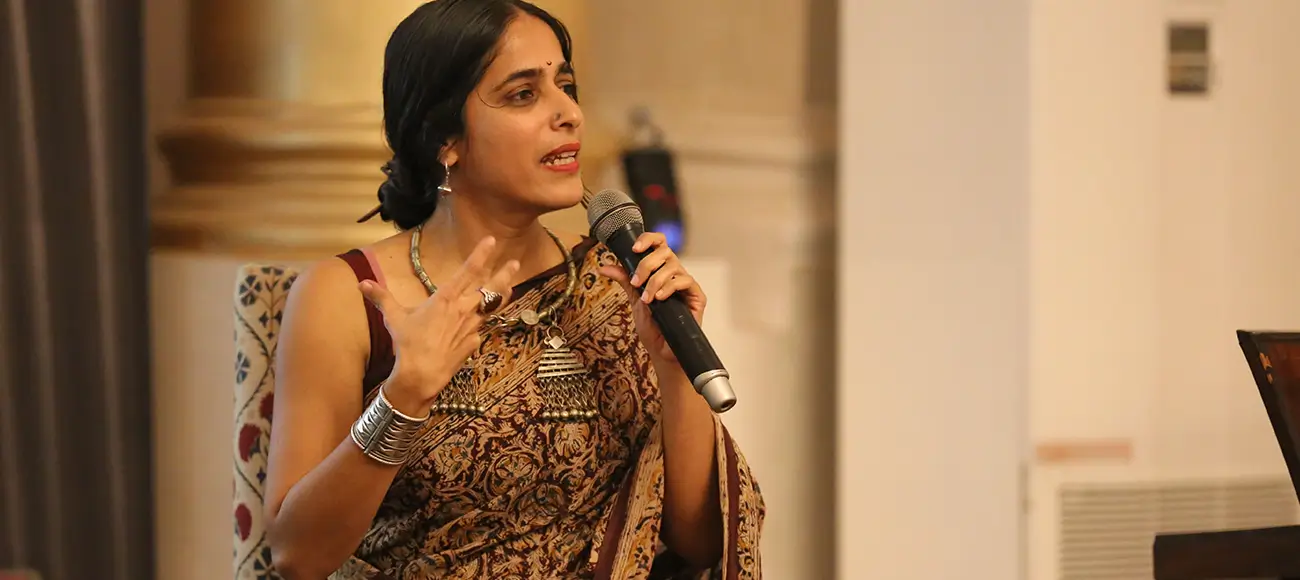
Onir (Filmmaker) in conversation with Nandita Dutta (Centre for Studies in Gender and Sexuality, Ashoka University)
This panel will be an invitation to thinking about the vexed existence of sex in popular culture. Sexuality is often censored in films and other popular media because of its ability to push the boundaries of what is considered acceptable. But the sexuality in popular culture is often phobic about queer desire, feminism, and pornography. How does popular culture represent questions of sexuality, and how might it affect the education of desire? Does popular education educate desire in the sense of tame it? Or does it educate people about desire by showing it?
Sex/Ed/Performance
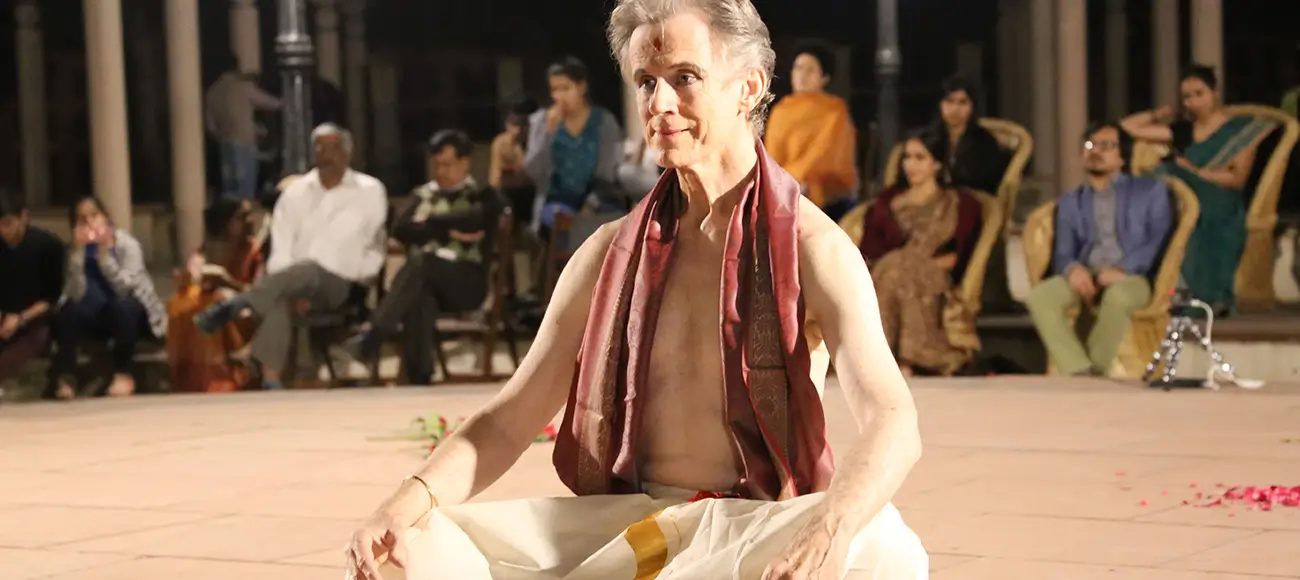
Queer Poetry: Aditi Angiras, Akhil Katyal, Octavio R. Gonzalez, Ira Sen, Payal Nagpal, Saranya Subramanian